Column · @eveningdesertsafaridubaireview
Choosing the Right Desert Safari in Dubai for Your Trip
Understanding the Different Safari Options
Dubai's desert landscape is vast and varied, and the tours that explore it reflect that diversity. Before you book, it helps to know what kind of experience you want. Some tours focus on adrenaline, with dune bashing and sandboarding. Others emphasize cultural immersion, with camel rides, henna painting, and traditional meals. A third category blends both, offering a balanced introduction to the desert.
The first decision is timing. A morning safari starts early and finishes before the heat peaks. You get cooler temperatures, softer light for photography, and often a quieter experience. An evening safari, on the other hand, includes sunset views and usually ends with dinner under the stars. Overnight safaris add camping, stargazing, and sometimes falconry demonstrations. Each timing suits different priorities, so think about what matters most to you.
Step One: Decide Between Group and Private Tours
Group tours are the most common option. They are shared with other travelers, follow a fixed itinerary, and usually cost less per person. If you enjoy meeting new people and don't mind a set schedule, a group tour works well. The trade-off is less flexibility: stops are timed, and the pace is set by the guide.
Private tours offer a different experience. You have your own vehicle, driver, and guide. You can adjust the timing, choose which activities to spend more time on, and avoid waiting for others. For families with young children, couples on a romantic getaway, or anyone who values personal space, a private tour is often worth the extra cost. Keep in mind that private tours still operate within park hours and safety limits, but the itinerary is far more adaptable.
Step Two: Look at What Activities Are Included
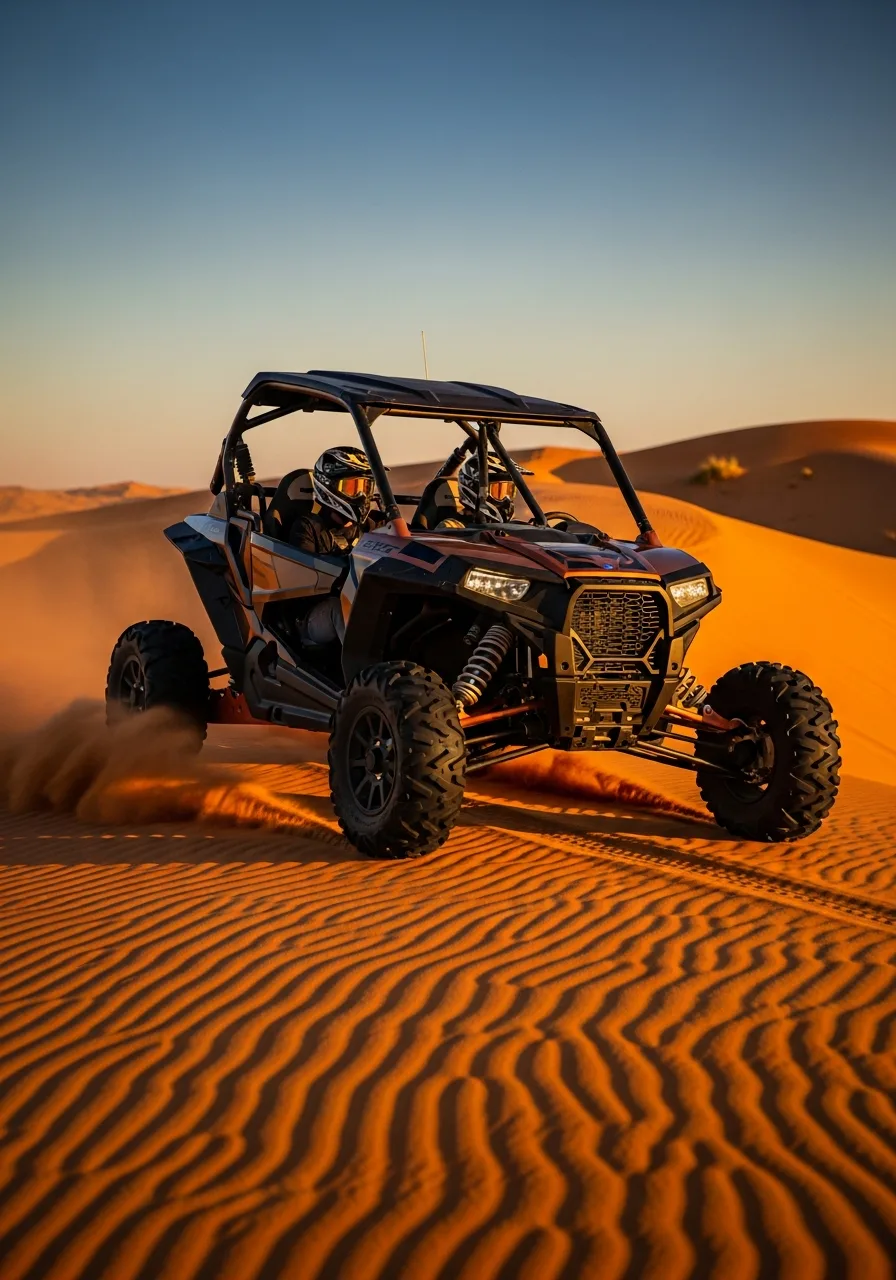
Not all dubai desert safari tours include the same activities. Some are built around dune bashing in a 4x4 vehicle, where the driver navigates steep sand dunes at speed. This is a thrilling ride, but it can be intense. If you or someone in your group has a weak stomach or back issues, check whether a gentler route is available. Many operators offer both standard and "soft" dune bashing options.

Beyond dune bashing, look for these common inclusions:
- Camel rides, short loops near the camp, suitable for all ages.
- Sandboarding, sliding down dunes on a board, similar to snowboarding.
- Cultural experiences, henna painting, shisha smoking, and traditional costumes.
- Live entertainment, belly dancing, tanoura shows, and fire performances.
- Dinner, usually a buffet with grilled meats, salads, and desserts.
Some tours also offer wildlife spotting, particularly for Arabian oryx, gazelles, and desert foxes. If that interests you, ask the operator whether the route passes through conservation areas. A standard safari route may not include wildlife viewing; dedicated wildlife tours are a separate category.
Step Three: Check the Quality of the Camp and Food
Evening and overnight safaris end at a desert camp. The quality of that camp varies widely. Some are large, commercial operations with multiple entertainment stages and buffet lines. Others are smaller, more intimate setups with fewer guests and higher-quality food.
When reading reviews, pay attention to comments about the camp atmosphere and the meal. A crowded camp can feel rushed, with long queues for food and limited seating. A smaller camp might offer a quieter evening but less variety in entertainment. Decide which trade-off suits you. If food is important, look for tours that emphasize freshly cooked meals rather than pre-prepared buffets.
Step Four: Evaluate the Safari Vehicle and Driver
The vehicle matters more than many travelers realize. Most dubai desert safari tours use 4x4 SUVs, typically a Toyota Land Cruiser or similar model. These are well-suited for dunes, but their condition and maintenance vary. A newer, well-maintained vehicle will feel safer and more comfortable. An older one might be noisier and less smooth.
The driver's skill is equally important. A good driver knows the dunes, reads the terrain, and adjusts the speed to the group's comfort. A reckless driver can make the experience unpleasant or even dangerous. Look for operators that employ trained, licensed drivers. Reviews often mention driver behavior, so read a few recent ones before booking.

Step Five: Consider the Environmental and Cultural Impact
Desert environments are fragile. Sand dunes shift, vegetation is sparse, and wildlife is easily disturbed. Responsible tour operators follow designated routes, avoid driving on vegetation, and limit noise. Some also contribute to local conservation efforts. If sustainability matters to you, ask the operator about their practices. A simple question about how they minimize their impact can tell you a lot.
Cultural sensitivity is another factor. The desert camps often present a curated version of Emirati culture. While entertainment like belly dancing and tanoura shows is popular, it is not a representation of local traditions. If you want a more authentic cultural experience, look for tours that include a visit to a heritage village, a Bedouin-style camp with storytelling, or a meal prepared using traditional methods. These tours are less common but offer deeper insight.
Step Six: Read the Fine Print on Pickups and Drop-offs
Most safaris include hotel pickup and drop-off within Dubai city limits. But the details matter. Check whether the pickup window is narrow or wide. A wide window means you might wait up to an hour in your hotel lobby. Also confirm the drop-off policy: some tours drop you at a central location rather than your hotel, especially if you are staying in a remote area.
If you are staying outside Dubai, such as in Abu Dhabi or Sharjah, confirm whether the operator covers that area. Many do not, or charge an extra fee. Similarly, if you are at a private villa or Airbnb, check whether the driver can find the location easily. Some operators only pick up from major hotels.
Step Seven: Compare Reviews Across Multiple Platforms
One review site rarely tells the full story. A tour operator might have great ratings on one platform but mixed feedback on another. Look for patterns in the reviews. Consistent praise for the guide or the food is a good sign. Repeated complaints about late pickups, poor communication, or crowded camps are red flags.
Also note the date of the reviews. A tour operator may change vehicles, camp locations, or staff over time. Recent reviews are more reliable than ones from two or three years ago. If possible, look for reviews from travelers with similar priorities to yours. A family with young children will notice different things than a solo adventure traveler.
Final Practical Tips
Book in advance, especially during peak tourist season from November to March. Popular tours sell out days ahead. If you have a specific date in mind, secure your spot early. Also consider travel insurance that covers tour cancellations. While most operators are reliable, last-minute changes can happen due to weather or other factors.
Pack wisely. Light, loose clothing, sunglasses, sunscreen, and a scarf for dust are all useful. Even in winter, the desert sun is strong during the day. Evenings can be cool, so bring a light jacket or sweater. Comfortable closed shoes are better than sandals for walking on sand. And bring a camera or phone with enough battery, the desert light at sunset is worth capturing.
Finally, trust your instincts. If a deal seems too cheap, it probably is. Cheap tours often cut corners on vehicle maintenance, camp quality, or meal standards. A mid-range or premium tour usually offers a better overall experience. The desert is a special place, and the right tour can make that experience memorable for all the right reasons.